
 by
by 
Scammers don’t discriminate by age. Whether you’re 22 or 82, if you have something they want—money, attention, or trust—they’ll target you. The truth is, scammers look for specific vulnerabilities that make people easier to manipulate. Understanding these red flags is one of the best ways to become scam-proof for life.
Here are the five biggest reasons scammers believe you could be an easy mark.
1. You Have Money or Assets They Want
Scammers follow the money. A steady paycheck, emergency savings, a paid-off home, retirement accounts, or even Social Security checks signal opportunity. People who’ve spent decades building financial stability are especially attractive targets because they often have more to lose—and more to give. If you own property or investments—or you simply have a checking account—you’re already on their radar.
2. You Were Raised to Be Polite
Many of us were taught never to be rude. Hanging up mid-sentence, saying “no” firmly, or shutting the door on a friendly stranger feels uncomfortable. Scammers exploit this deeply ingrained politeness so many of us have. They may use a warm, professional, or urgent voice to keep you on the phone or in the conversation—just long enough to hook you with their deception.
3. Loneliness Makes You More Approachable
Life transitions create openings for scammers. An empty nest, a recent move, the loss of a spouse, or even too much time scrolling while others seem happier online can leave anyone feeling isolated. Scammers know this. They slide into dating apps, Facebook groups, Instagram DMs, and senior chat rooms pretending to be the friend, companion, or romantic partner you’ve been missing.
4. Technology Changes Faster Than You Can Keep Up
New apps, two-factor authentication updates, AI-generated voices, and sophisticated phishing tactics are constantly emerging. Even younger, tech-savvy adults get caught when distracted or in a hurry. For those who adopted smartphones and computers later in life, the learning curve can create blind spots. Scammers count on confusion, fear of missing out, or a sense of urgency to bypass your natural caution.
5. Shame Keeps Victims Silent
No one wants to admit they were tricked. A young adult fears looking gullible to friends. An older adult worries that family will say, “Maybe it’s time we handle your finances.” Scammers rely on this embarrassment to keep victims quiet, preventing them from reporting, and allowing the same tactics to continue working on others.
How to Stop Being an Easy Mark
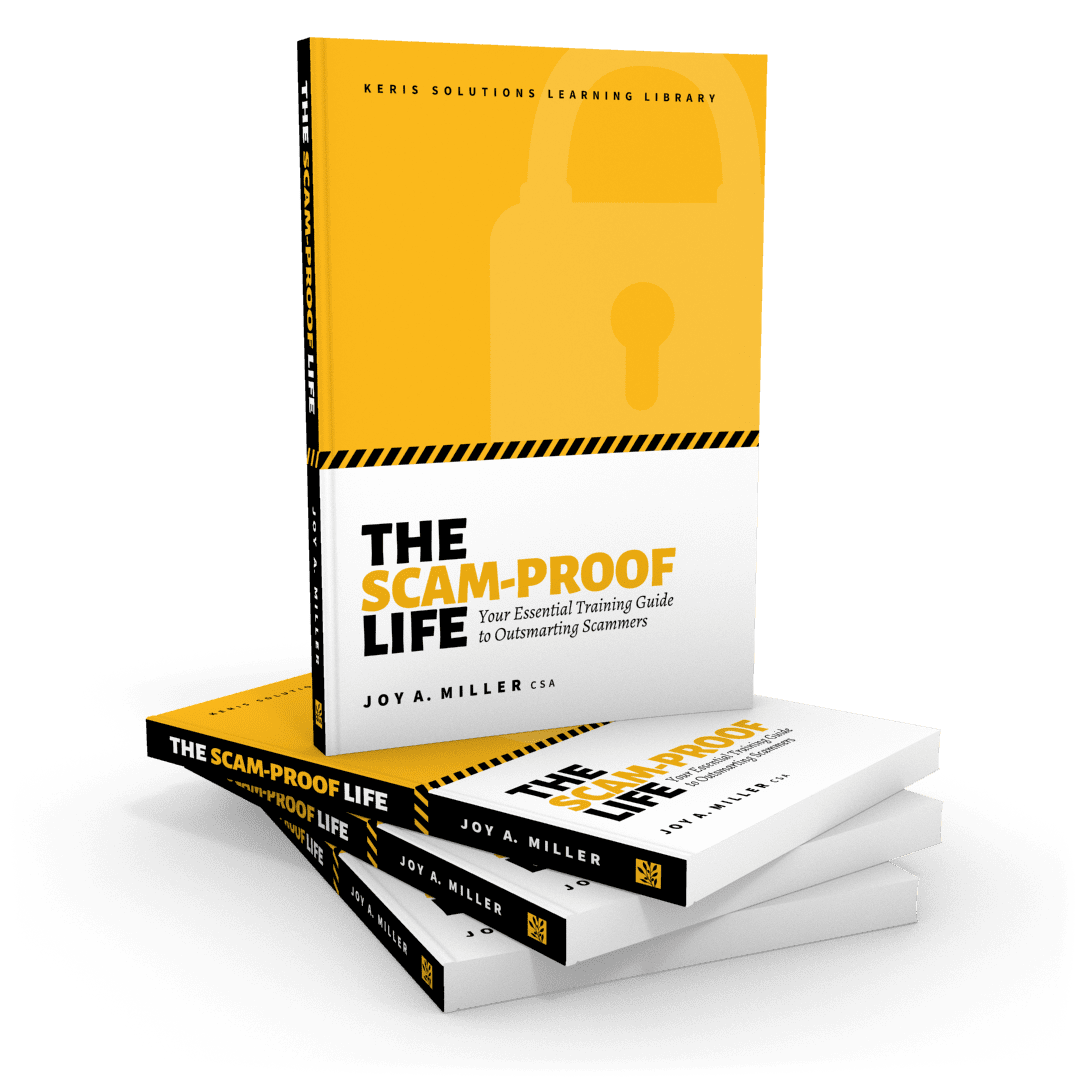
Recognizing these vulnerabilities is the first step. The good news? Awareness alone dramatically reduces your risk. Combine it with simple habits, like the ones you can learn in The Scam-Proof Life—and you become much harder to scam.
Leave a Reply